HMP Highland, Inverness
13 March 2026
It’s cold outside, a light frost covers the ground and sunlight is at a minimum. Feels like the time of year to get landscaping plans on paper rather than anything done on site? Let TGP convince you otherwise…
What are bare root trees?
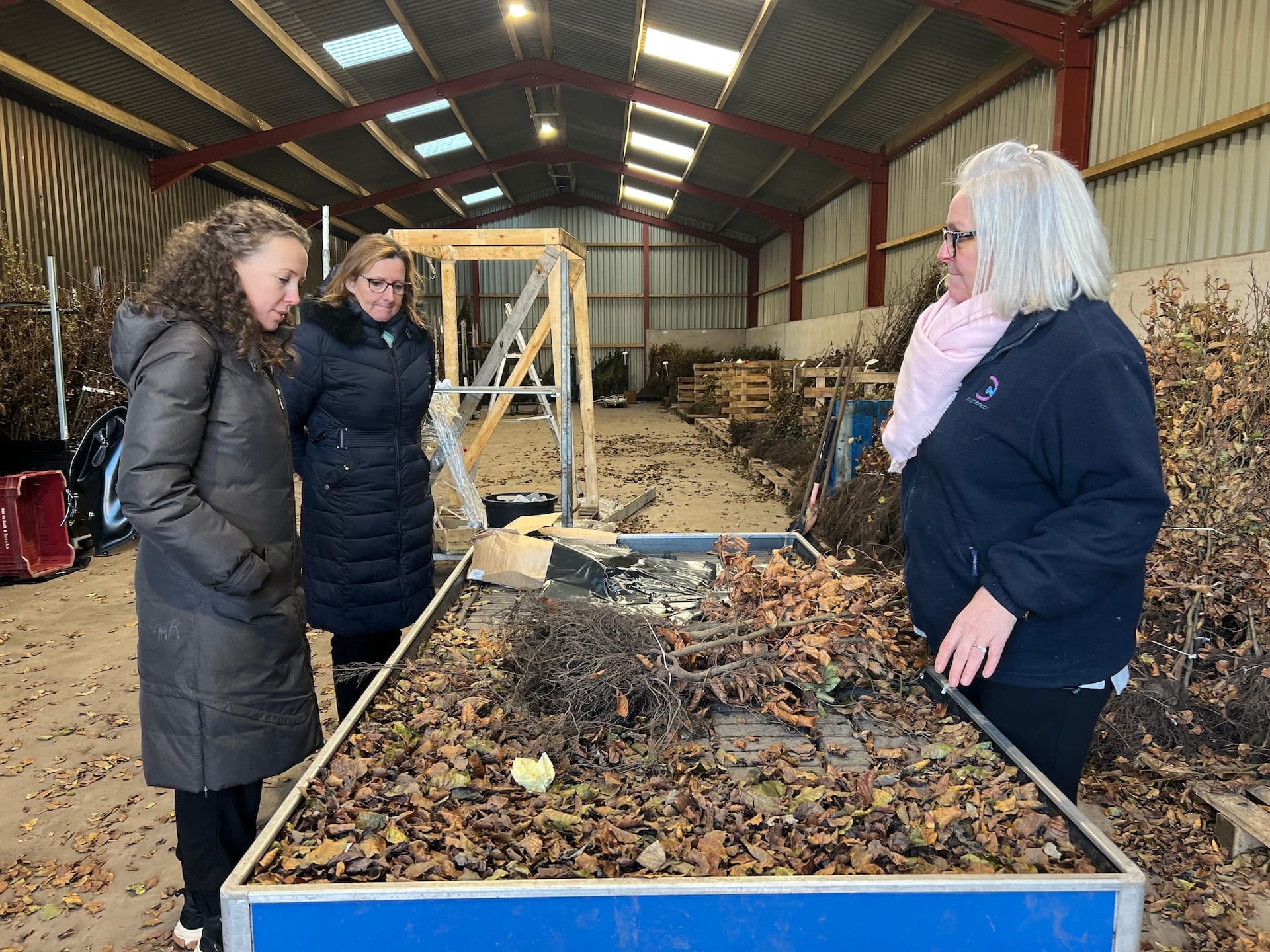
As the name suggests, bare root trees are very much that – bare: they are without leaves, flowers or even a pot, and their roots are without soil. This means that these roots are able to take advantage of all nutrients and resources available in the plant’s system, increasing resilience and the likelihood of a successful growing season.
Why are bare root trees good for winter?
Bare root trees and plants are in a dormant state over winter, which means they don’t require as much sunlight or moisture and nutrients from soil to stay healthy and fresh. This also means that they’re perfectly primed for replanting or relocation to a new site without major impact to the tree’s ongoing growing health.
Native bare root plants are often hardy and likely to survive harsher growing conditions in years to come. This being said, frozen and/or waterlogged ground isn’t the best planting condition for bare root trees, so keep this in mind if you’re planning on progressing with site work over the winter months.
What are the benefits of bare root trees?
Other than allowing you to get an early start on your site progress, bare root trees have a number of benefits they can bring to any commercial or personal gardening project:
- Variety: There are many varieties of bare root trees. Whether you’re partnering with a landscape architect or doing research with a local nursery, you’ll rarely struggle to find the bare root plant you need.
- Cost: Unlike potted trees, bare root trees are significantly cheaper, offering a more economical use of your project budget.
Strength: Without a native soil to get used to, bare root trees have an added level of adaptability that some potted plants can’t compete with. - Environmentally-conscious: With little to no plastic needed to package bare root plants and no predetermined plastic pots to consider, they often tick a number of boxes for those who are looking for an environmentally-conscious approach to any project. They’re also a lot lighter than regular trees, meaning delivery requires less fuel and space to transport them to you.
Getting started with bare root trees
Whether you’re working on a new housing development or enhancing a commercial site, bare root trees can bring a number of benefits to any landscaping project.
Bare root trees offer compounding opportunities for growing and enhancing any green spaces, and, when grown, can be divided into smaller healthy clumps for future replanting and distribution.
As the first snowdrops appear that herald spring’s arrival, get ahead of the landscaping calendar with a bare root solution.